

Services
Dental Bonding
Quick, Effective Smile Repairs In Fletcher, NC
Dental bonding at Williams Family Dentistry offers a fast, affordable way to repair chips, close gaps, and reshape teeth. Using tooth-colored composite resin, we can restore your smile in a single visit—no extensive preparation needed. The material blends seamlessly with your natural teeth, so repairs look natural and feel comfortable. Perfect for minor cosmetic improvements that make a big difference.
Why Choose Dental Bonding?

Fast & Convenient
Most bonding procedures are completed in just one visit, with no need for multiple appointments or extensive preparation.

Natural-Looking Results
Composite resin is carefully color-matched to blend seamlessly with your natural teeth for a beautiful, invisible repair.

Conservative & Affordable
A cost-effective solution that preserves your natural tooth structure while providing excellent cosmetic results.
What Is Dental Bonding?
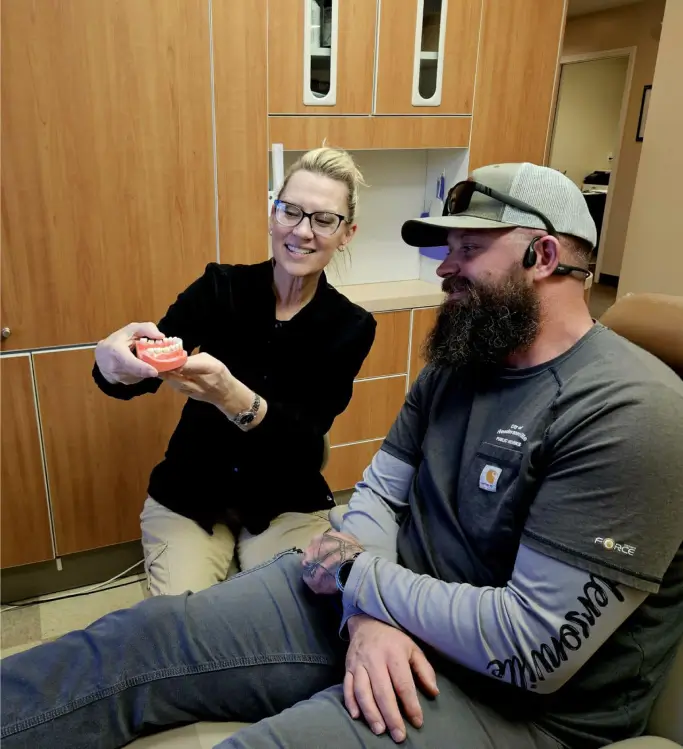
Dental bonding is a cosmetic dental procedure that uses a tooth-colored composite resin to repair or improve the appearance of your teeth. During the procedure, Dr. Williams carefully applies the composite resin to your tooth, sculpts it into the desired shape, and then hardens it with a special curing light. The result is a natural-looking restoration that blends seamlessly with your existing teeth.
Dental bonding is commonly used to repair chipped or cracked teeth, close small gaps, improve discolored teeth, change tooth shape or length, protect exposed roots from receding gums, and provide an alternative to amalgam fillings. Best of all, it typically requires little to no removal of tooth enamel, making it a conservative treatment that preserves your natural tooth structure.
Frequently Asked Questions
Common questions about dental bonding
With proper care, dental bonding typically lasts 5-10 years. The longevity depends on factors like the location of the bonding, your oral hygiene habits, and lifestyle choices. Avoiding hard foods, not biting nails, and regular dental checkups help maximize the lifespan of your bonding.
Dental bonding is generally painless. Because minimal tooth preparation is needed, anesthesia usually isn't required unless the bonding is being used to fill a decayed tooth. Most patients experience no discomfort during or after the procedure.
Dental bonding is more affordable and completed in one visit, but typically lasts 5-10 years. Veneers require more preparation and cost more, but can last 10-15 years or longer. Bonding is ideal for minor repairs, while veneers are better for comprehensive smile transformations. We'll help you choose the best option for your goals and budget.
The composite resin used in dental bonding doesn't respond to whitening treatments. If you're considering teeth whitening, it's best to whiten first, then match the bonding material to your newly whitened teeth. This ensures a uniform color across your smile.
You can eat immediately after dental bonding since the material is hardened during the procedure. However, avoid very hard or sticky foods for the first 24 hours. Long-term, avoid biting directly into hard foods like ice or candy, and be cautious with foods that stain like coffee, tea, and red wine.
Coverage depends on whether the bonding is cosmetic or restorative. If bonding repairs a damaged tooth or fills a cavity, insurance may provide partial coverage. Purely cosmetic bonding is typically not covered. We'll help you understand your benefits and discuss financing options to make treatment affordable.